Project
The Catawba Nation iswa Early Learning Center
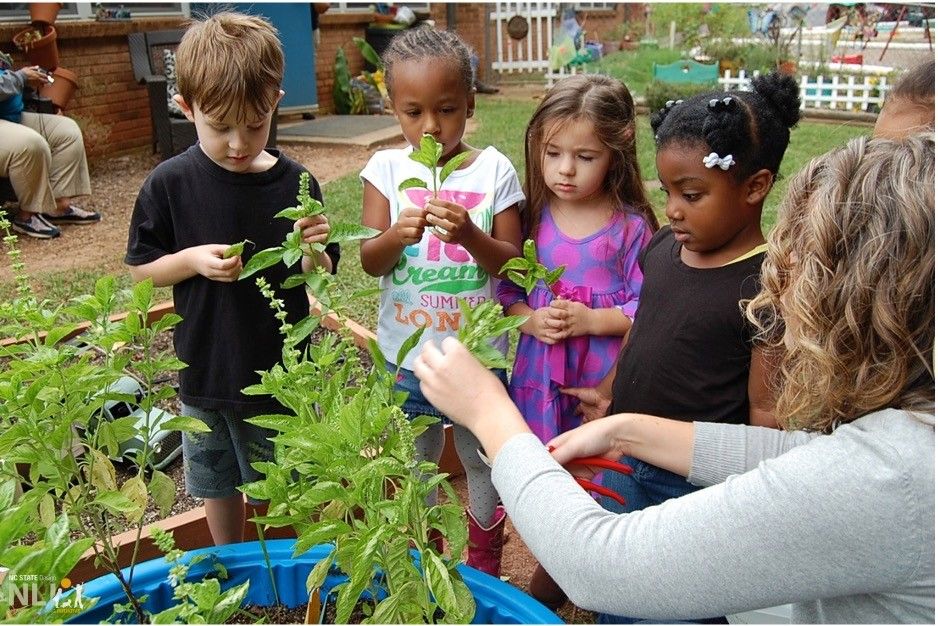
The Catawba Nation’s iswa Early Learning Center in Rock Hill, South Carolina, is partnering with the Natural Learning Initiative (NLI) at NC State University and Grow Outdoors South Carolina to transform its outdoor play and learning environment into a nature-rich space that reflects and celebrates iswa cultural traditions. Meaning “river people” in reference to the Catawba River, iswa culture provides a foundation for a collaborative design process informed by community input, cultural research, and the needs of children and educators. The project began with a community survey and an on-site visit, bringing together NLI, state partners, Center staff, and tribal representatives for an evening Community Gathering and a Design Workshop to explore how the physical environment could support cultural expression, nature-based learning, and community connections.
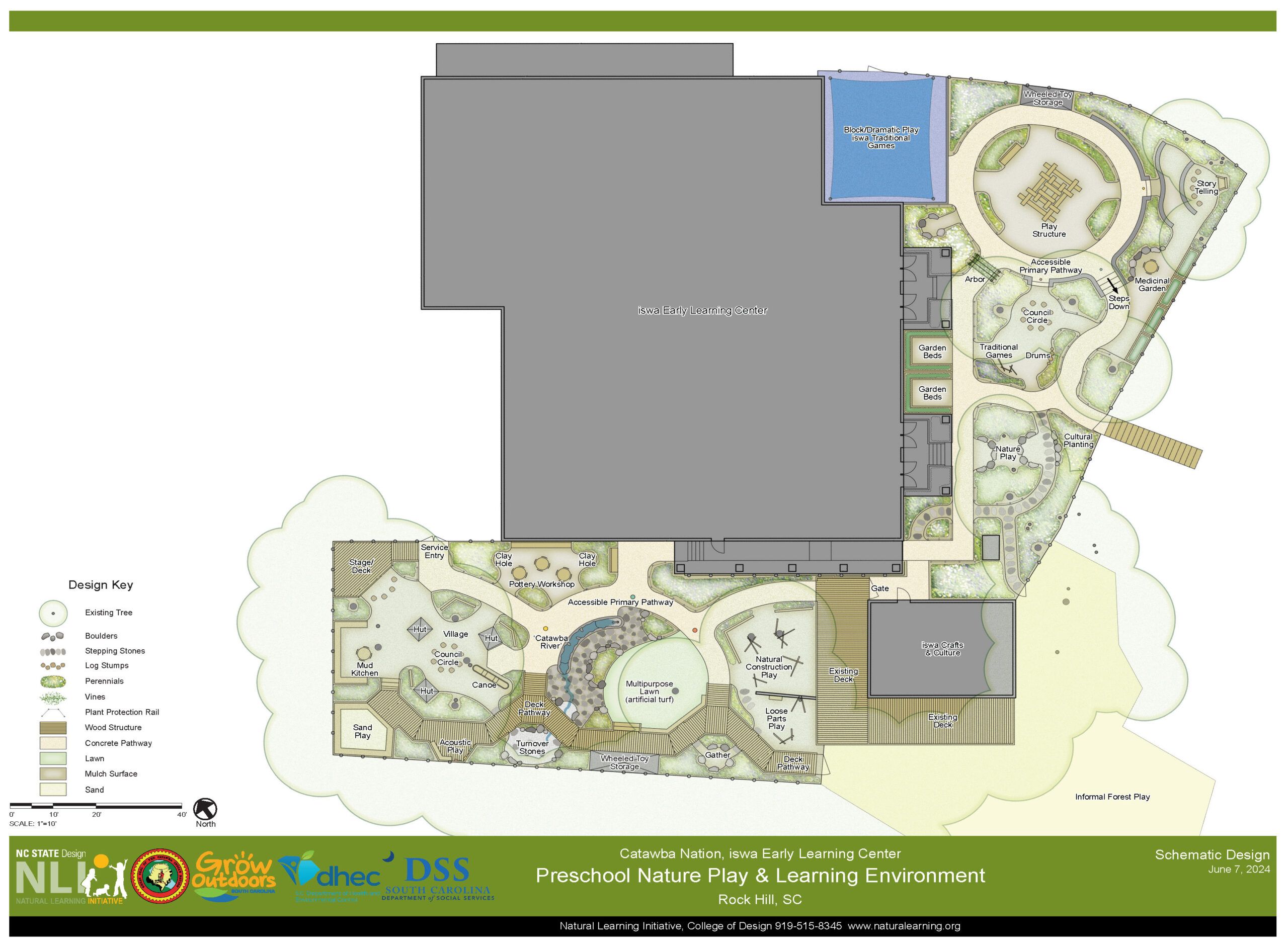
The resulting schematic design and design program envision an integrated outdoor environment organized around four areas: the classroom side, iswa Crafts and Culture Center, informal forest play, and forest-side cultural connections. Proposed features include a village gathering space with traditional huts and a council circle, a dugout canoe, a child-friendly representation of the Catawba River, an iswa pottery workshop, medicinal and food gardens, natural construction play, a mud kitchen, and spaces for storytelling, drumming, traditional games, and creative exploration. Accessible pathways, opportunities for sensory and physical play, and the preservation and enhancement of existing natural areas are also central to the design. Through community collaboration and culturally grounded design, the project aims to create a meaningful outdoor learning environment where children can connect with nature, explore their heritage, and experience iswa traditions through everyday play.
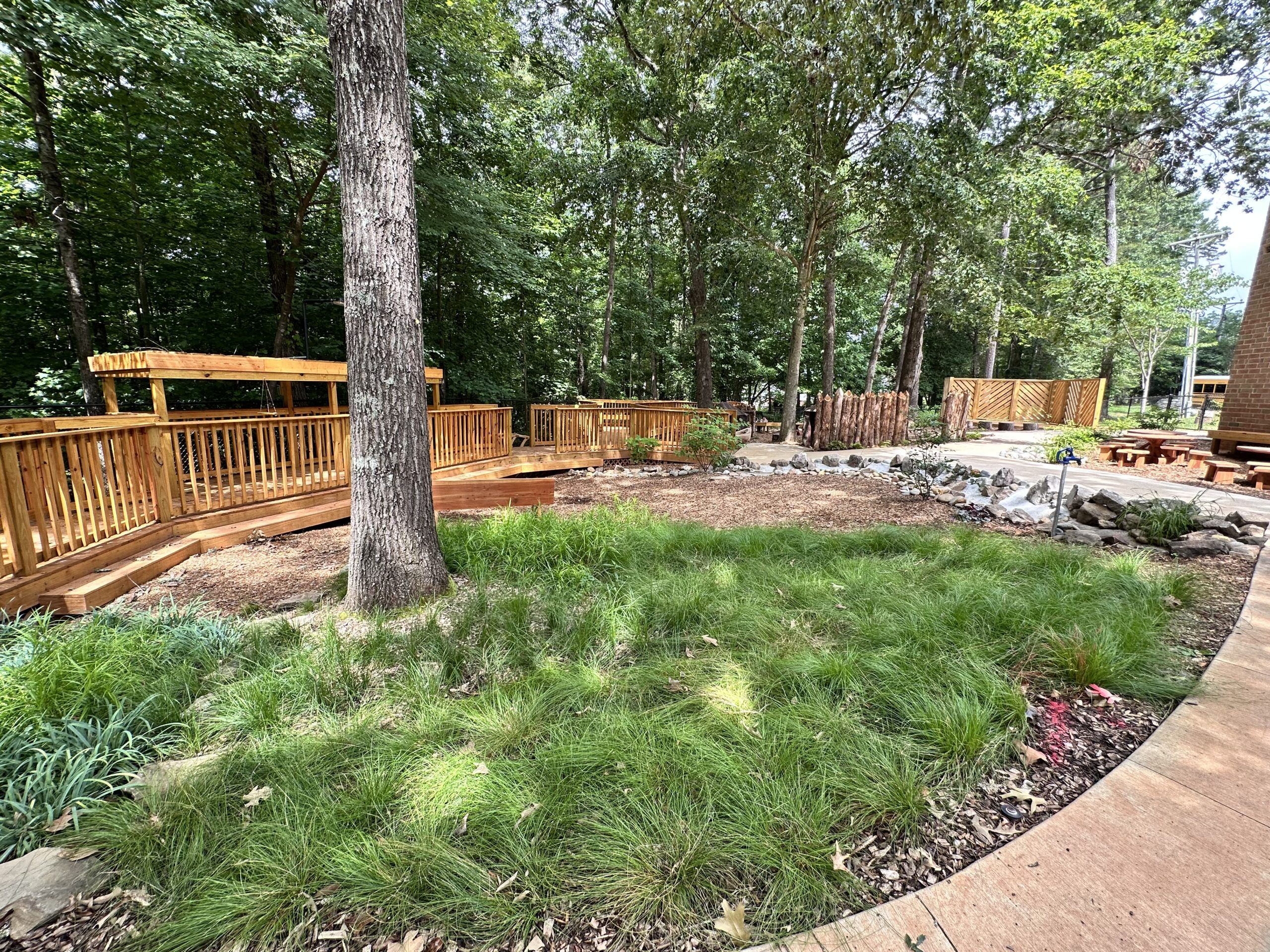
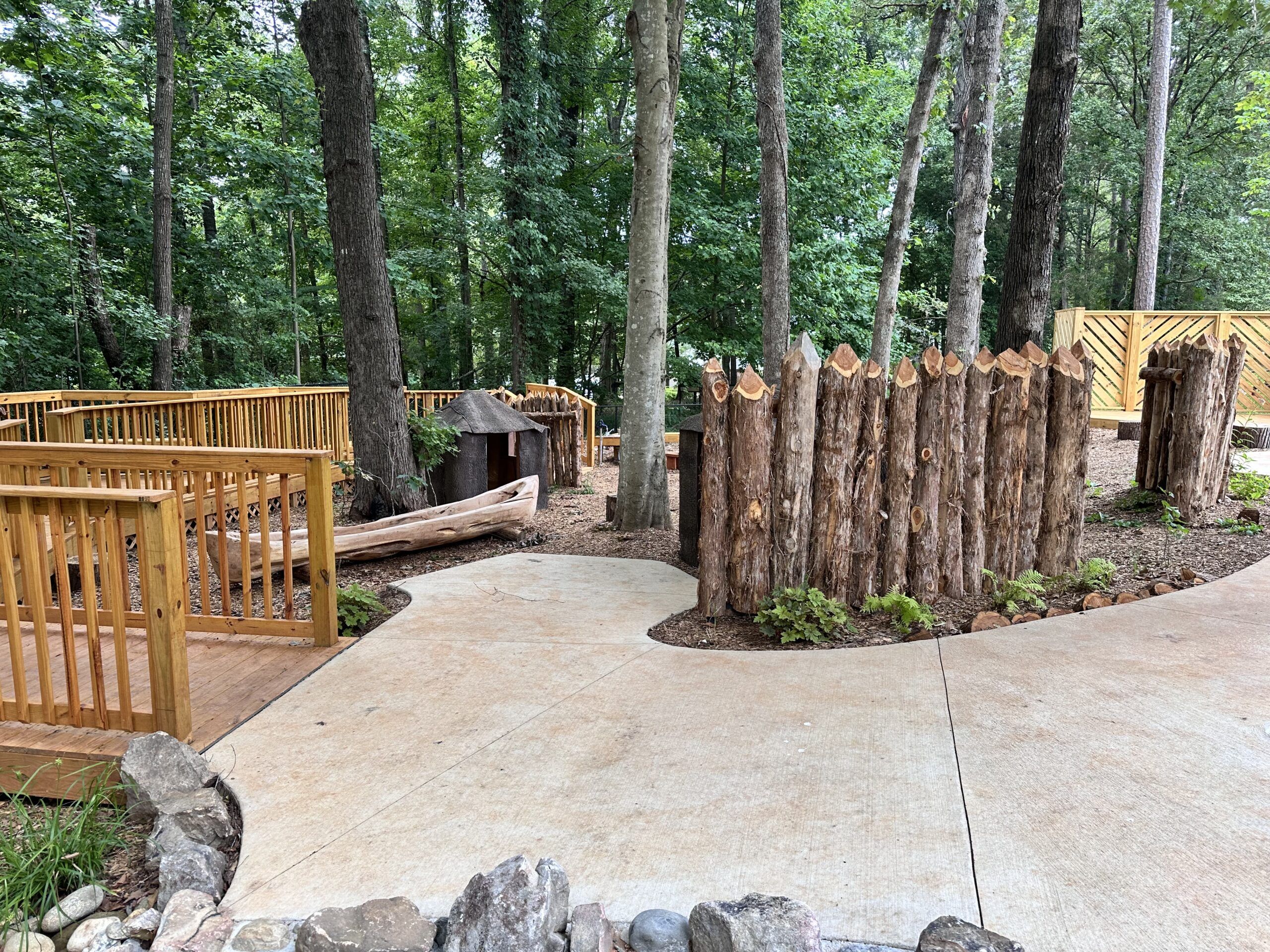
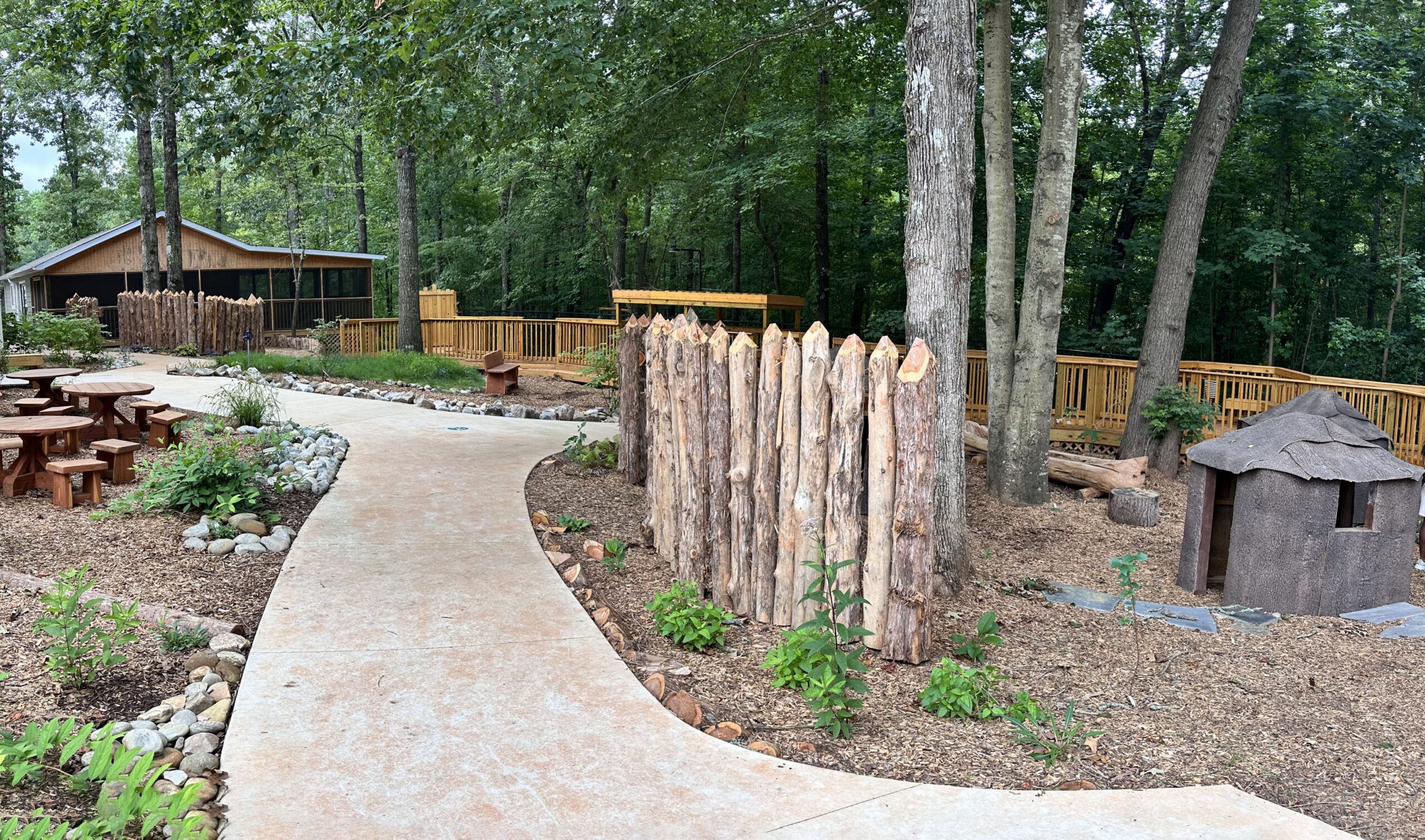
Site Photos
Friday Evening Community Gathering
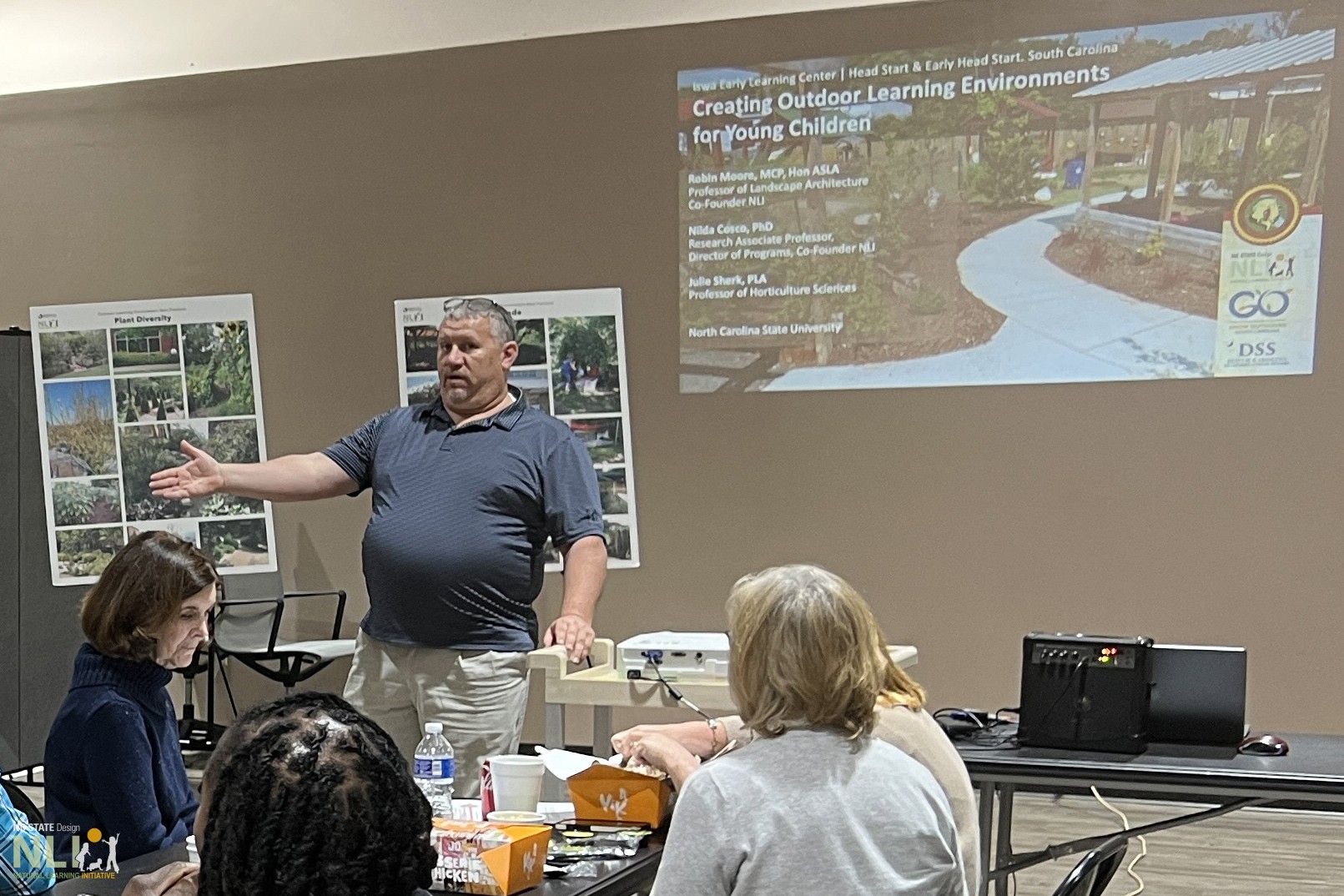
David Simpson, Operations Manager, iswa Head Start, welcomes everyone to the Community Gathering.
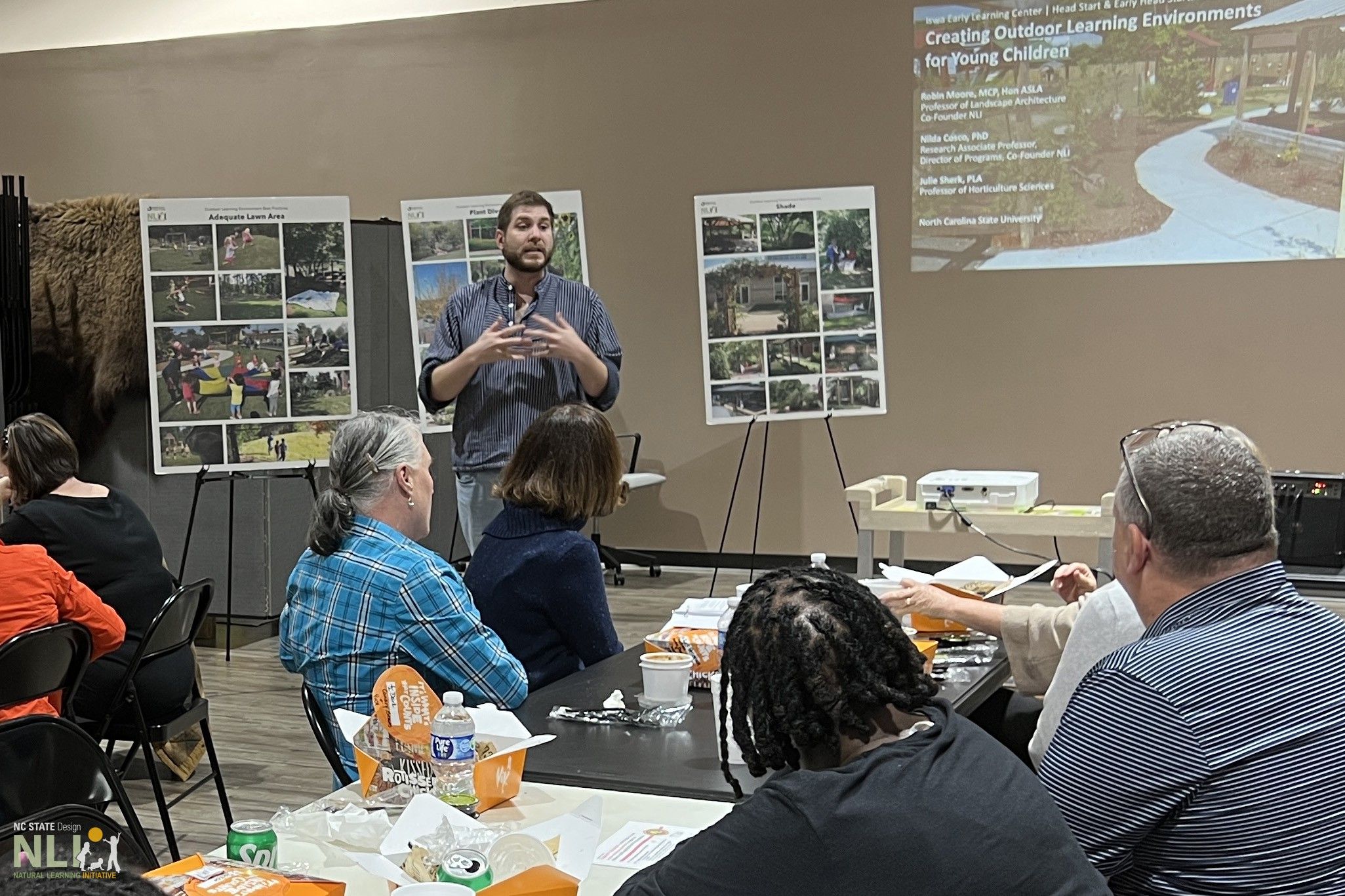
Roo George-Warren, Catawba Nation Executive Committee/Tribal Leadership describes a nature-based vision and ideas for the iswa Early Learning Center future outdoor play and learning spaces.
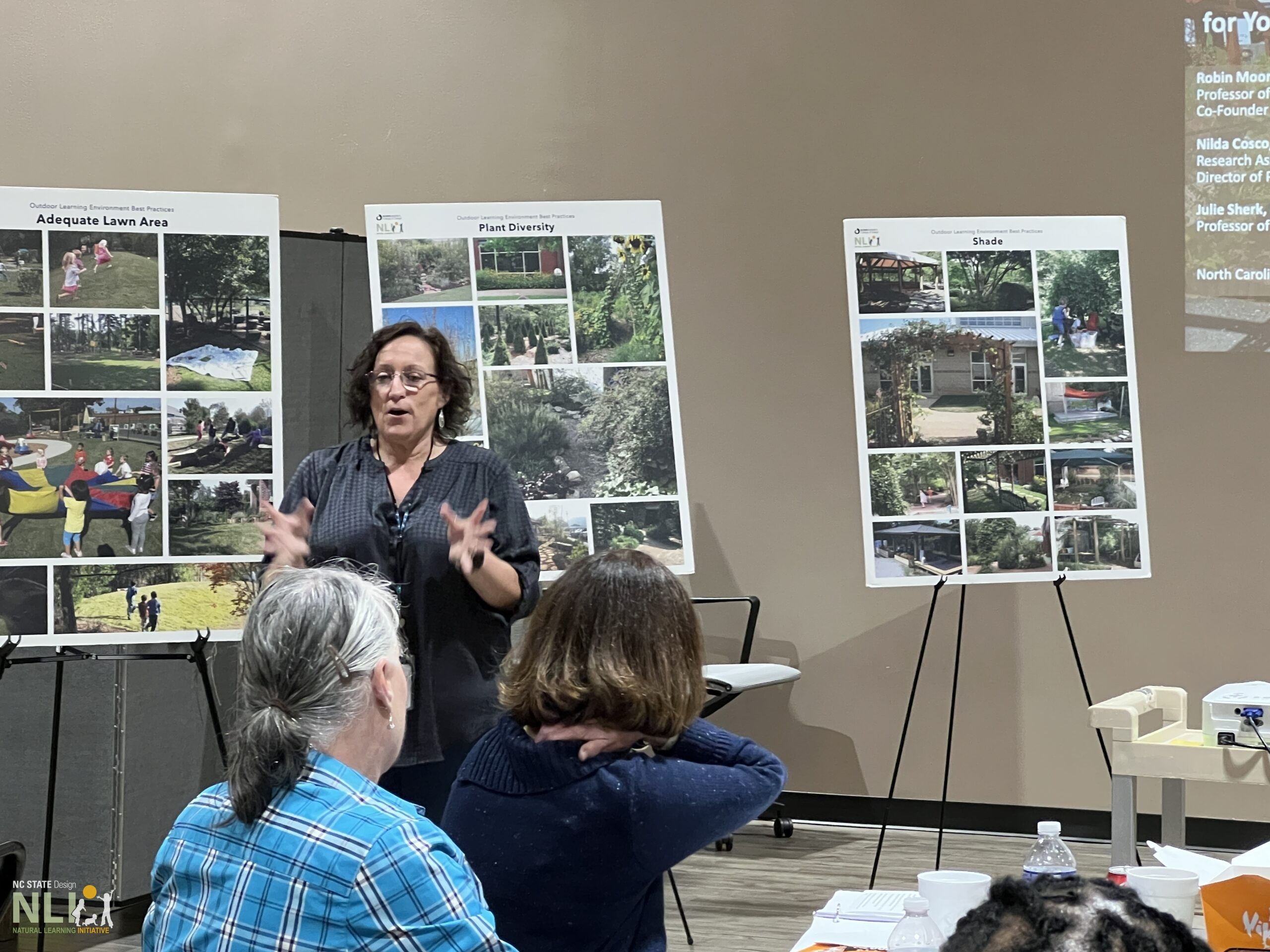
Crystal Jackson, Director, iswa Early Learning Center, shares her enthusiasm for enriching nature play and learning experiences for iswa children.
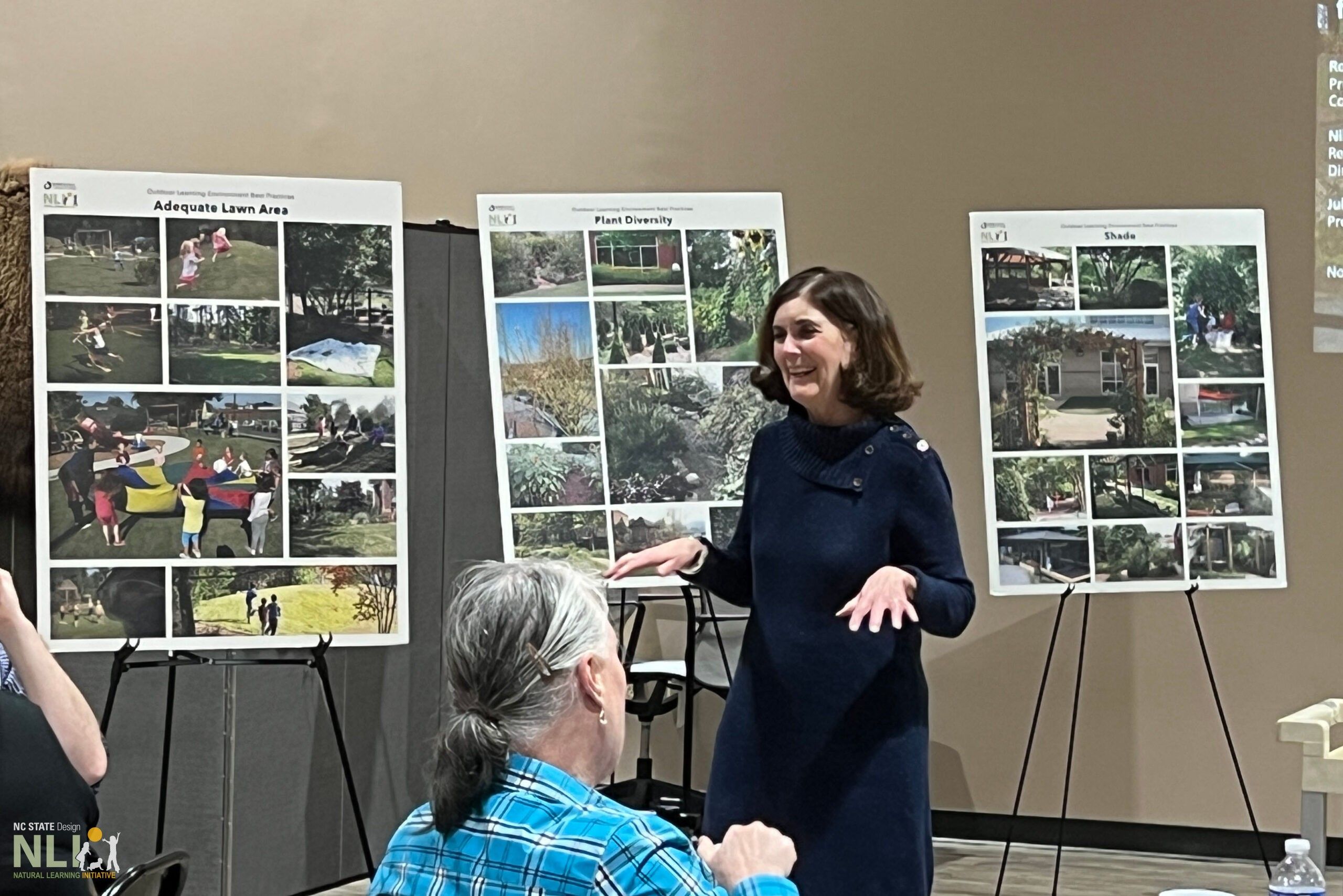
Beverly Hunter, South Carolina Department of Social Services (SC DSS), explains DSS’s commitment to supporting development of the iswa Early Learning Center as a nature-based demonstration site.
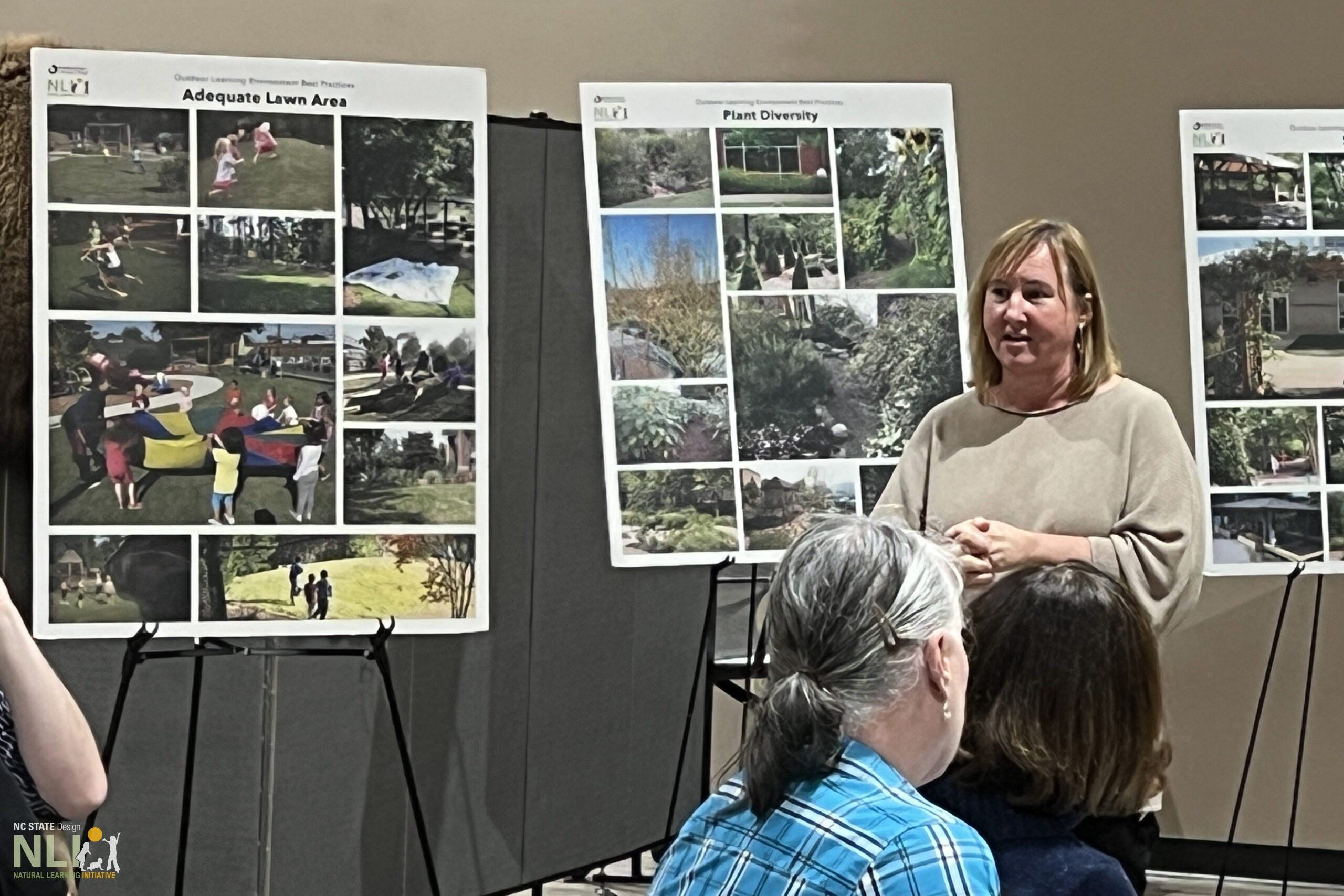
Misty Pearson, South Carolina Department of Health and Environmental Control (DHEC), explains that creation of an outdoor play and learning demonstration site at the iswa Early Learning Center is part of Grow Outdoors South Carolina (GO SC).
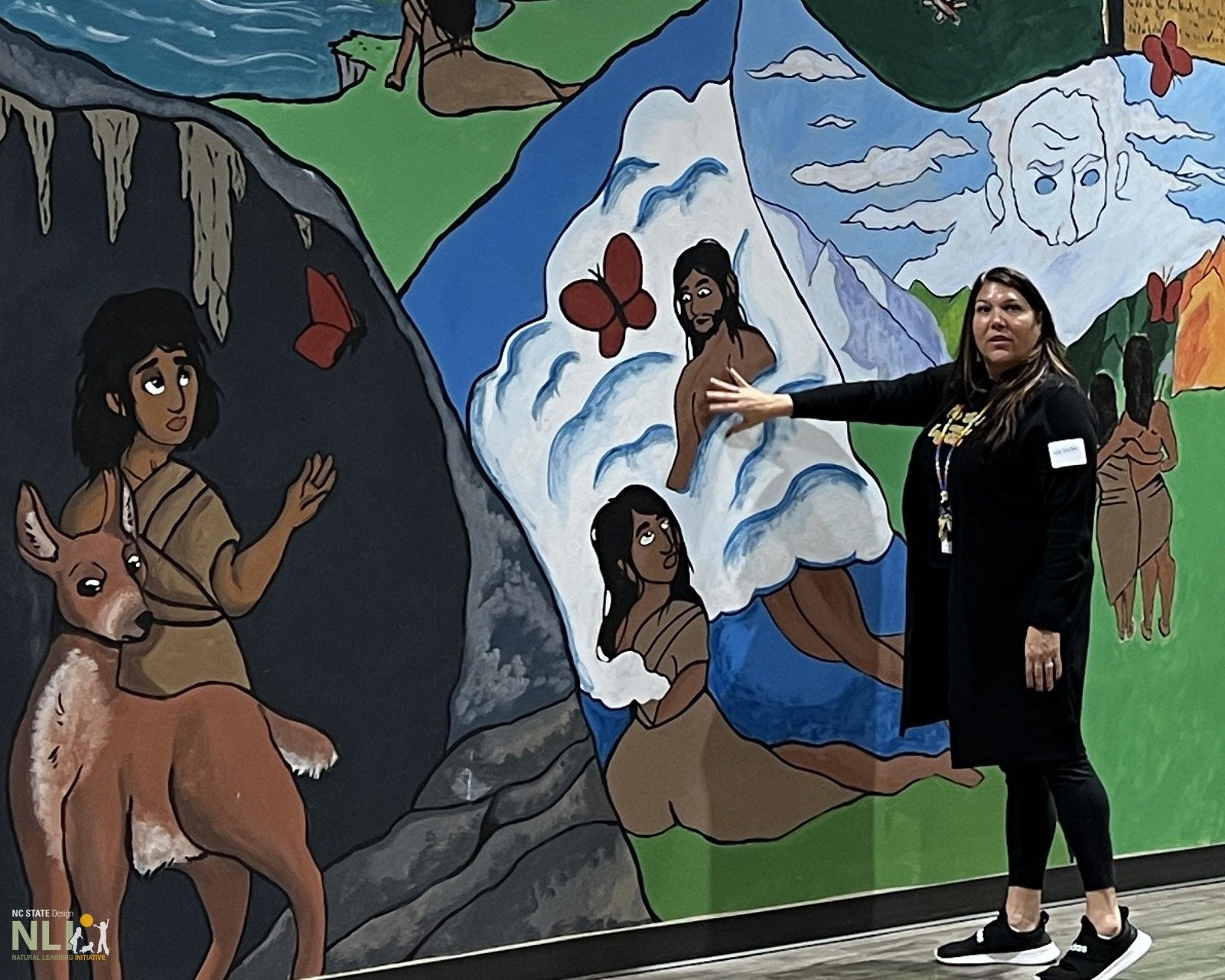
Melissa Harris, Executive Program Director, iswa Head Start, interprets the iswa origin story depicted in the mural in the Center mutli-purpose space hosting the Design Workshop.
Saturday Design Workshop

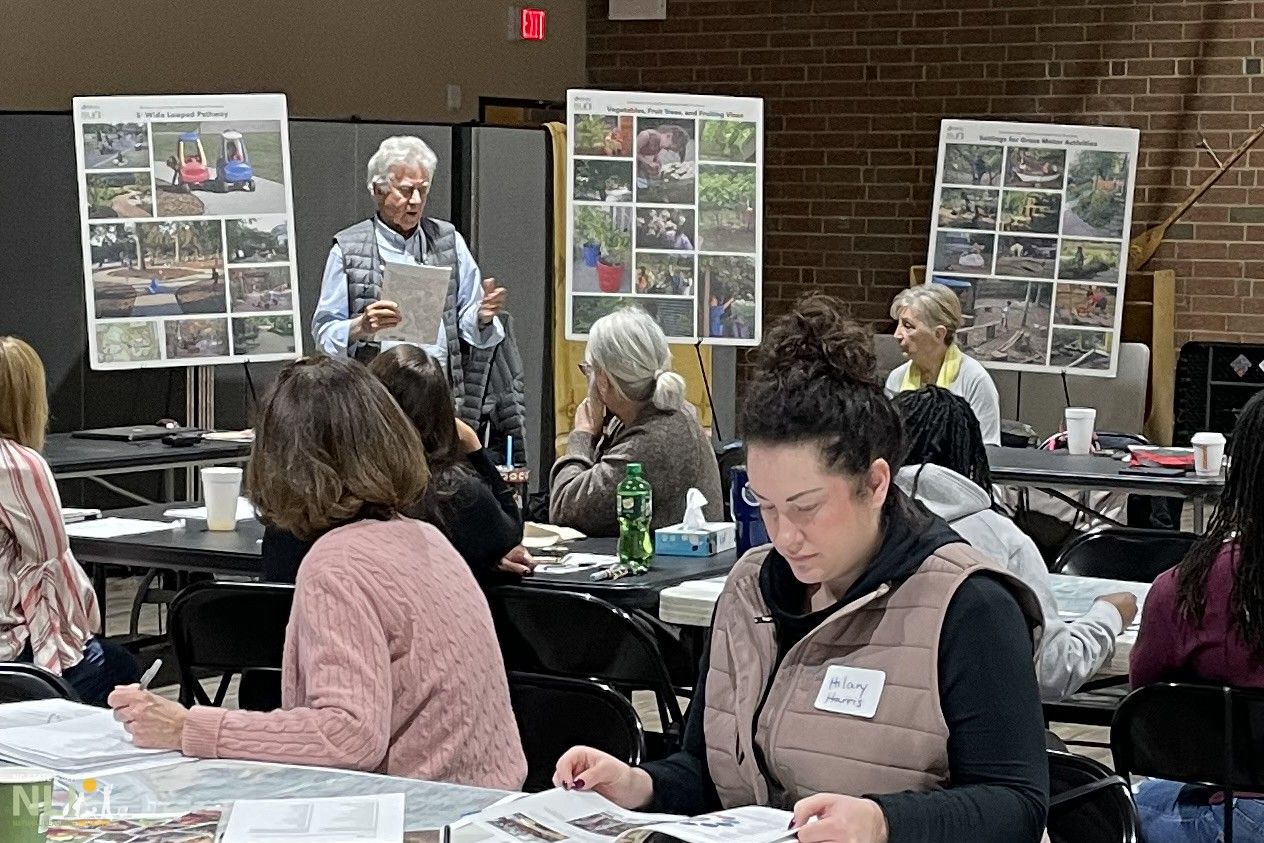
Robin Moore, NLI, introduces the colloborative Design Workshop process.
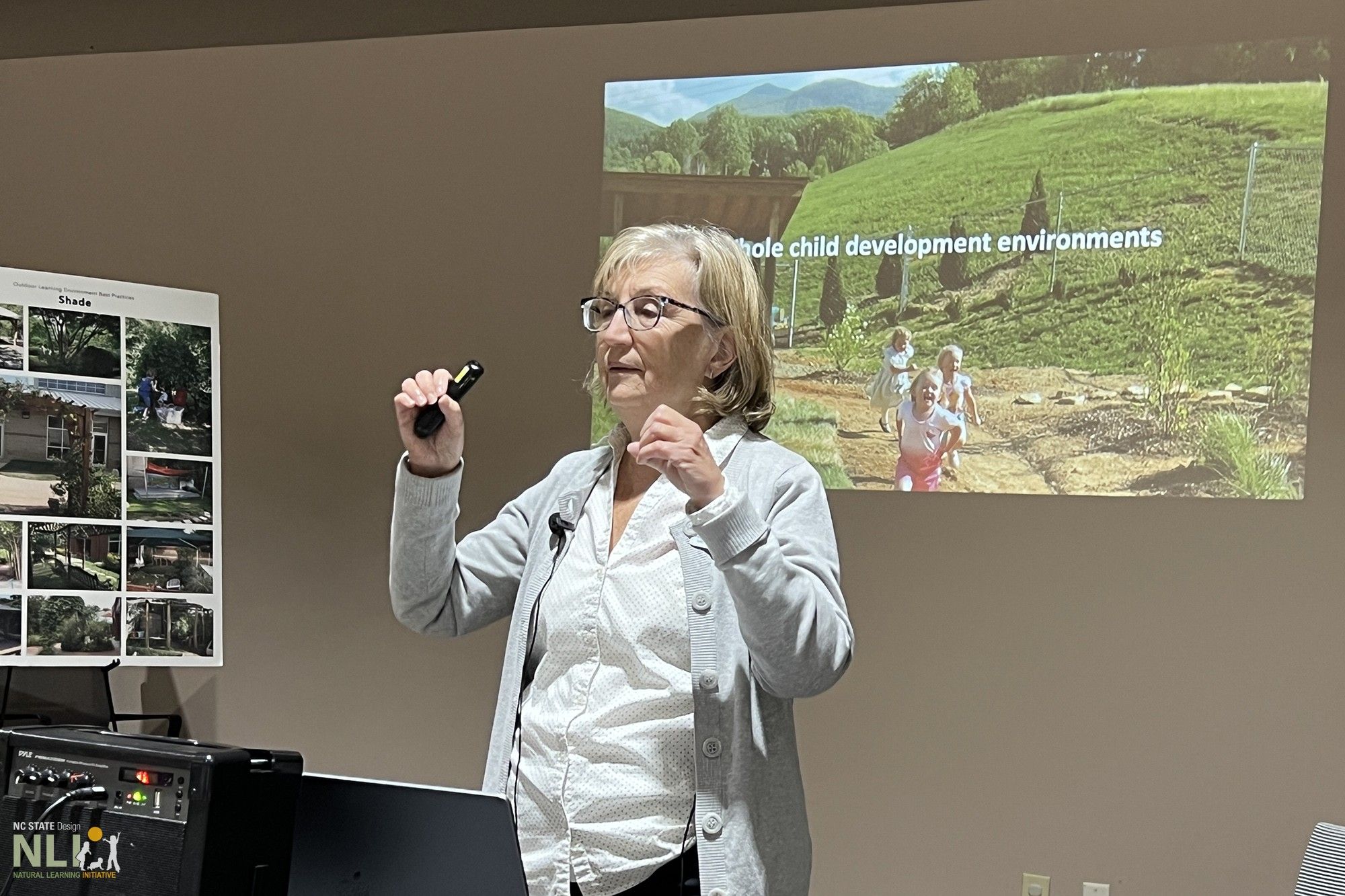
Nilda Cosco, NLI, talks about the physical and mental health benefits of nature-based play and learning spaces and explains how experience of nature is a bond-in-common of all peoples and Mother Earth.
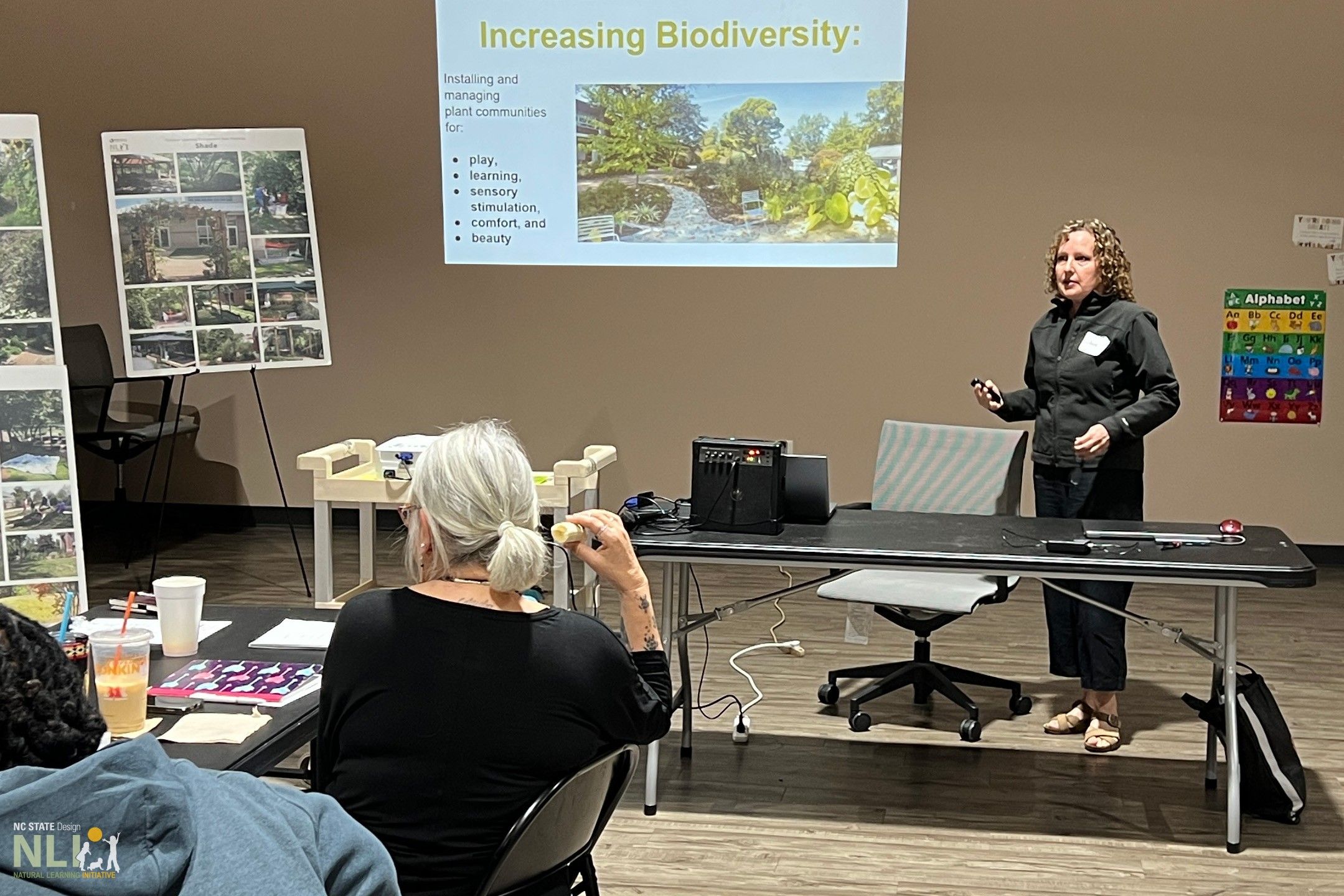
Julieta Sherk, NLI, underscore the importance of biodiversity and the practical requirements for increasing it on the ground.
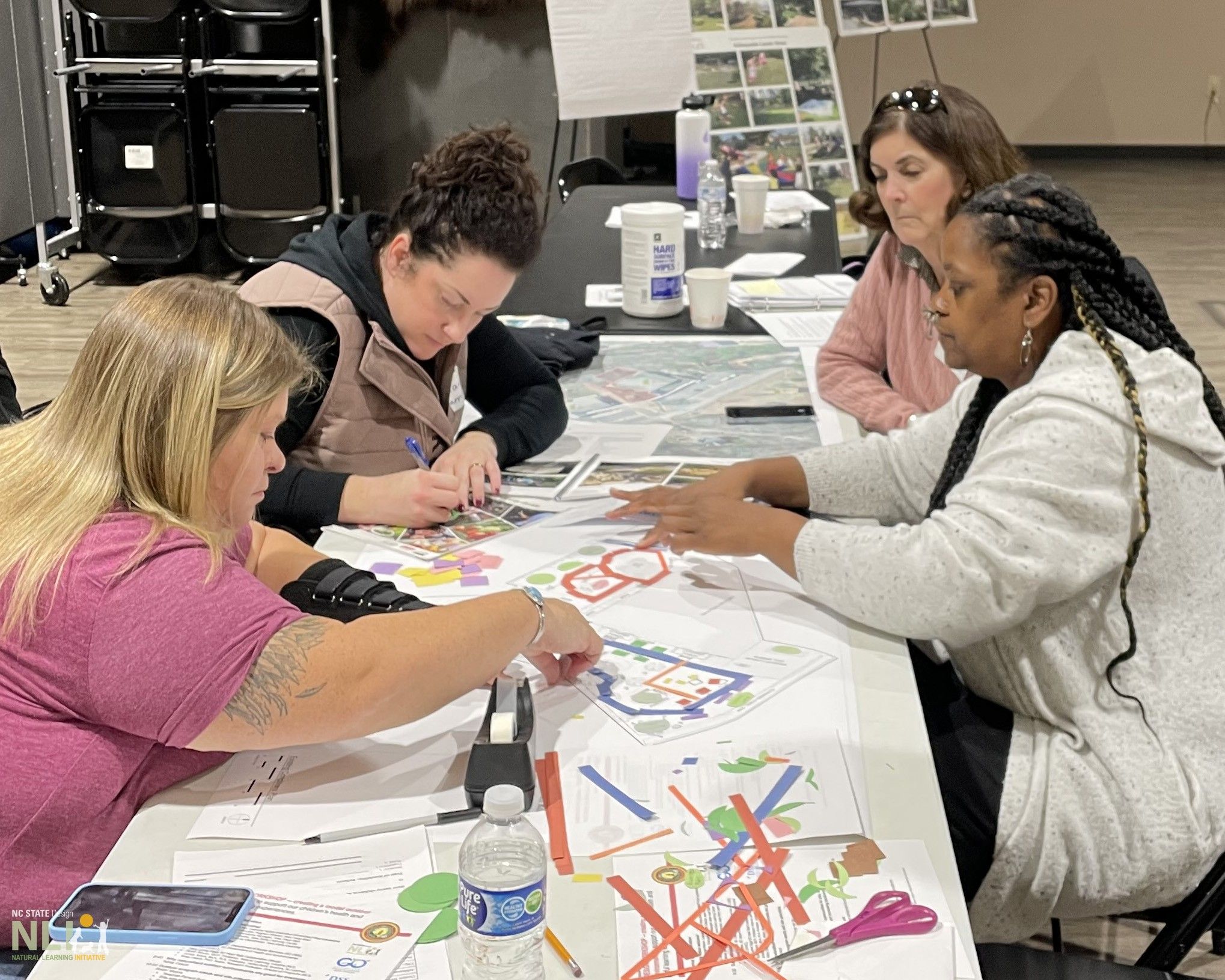
Collaborative Design Teams at work.
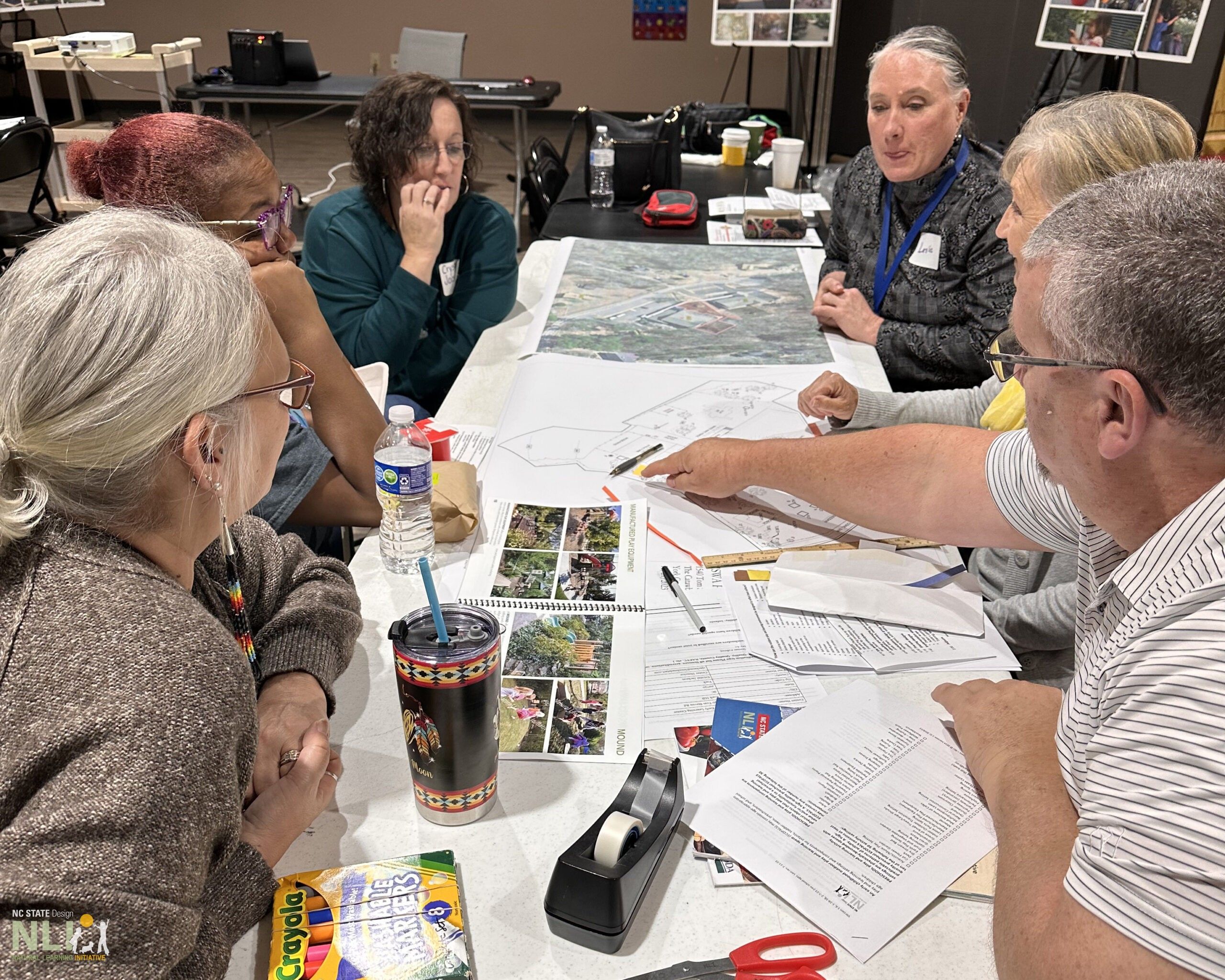
Collaborative Design Teams at work.
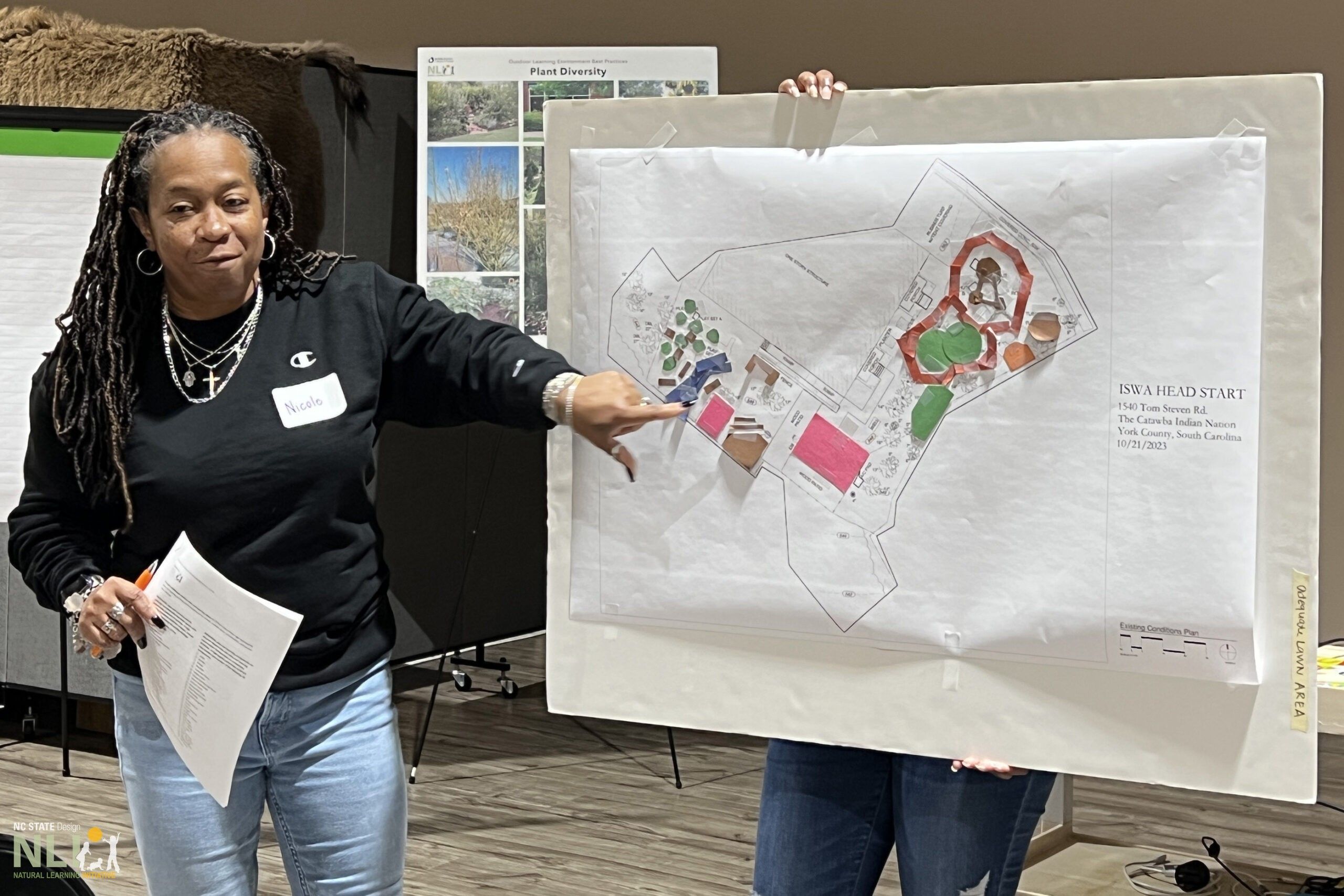
Design Teams present design thinking diagrams using construction paper to locate activity settings at the same scale as the site survey base plan.
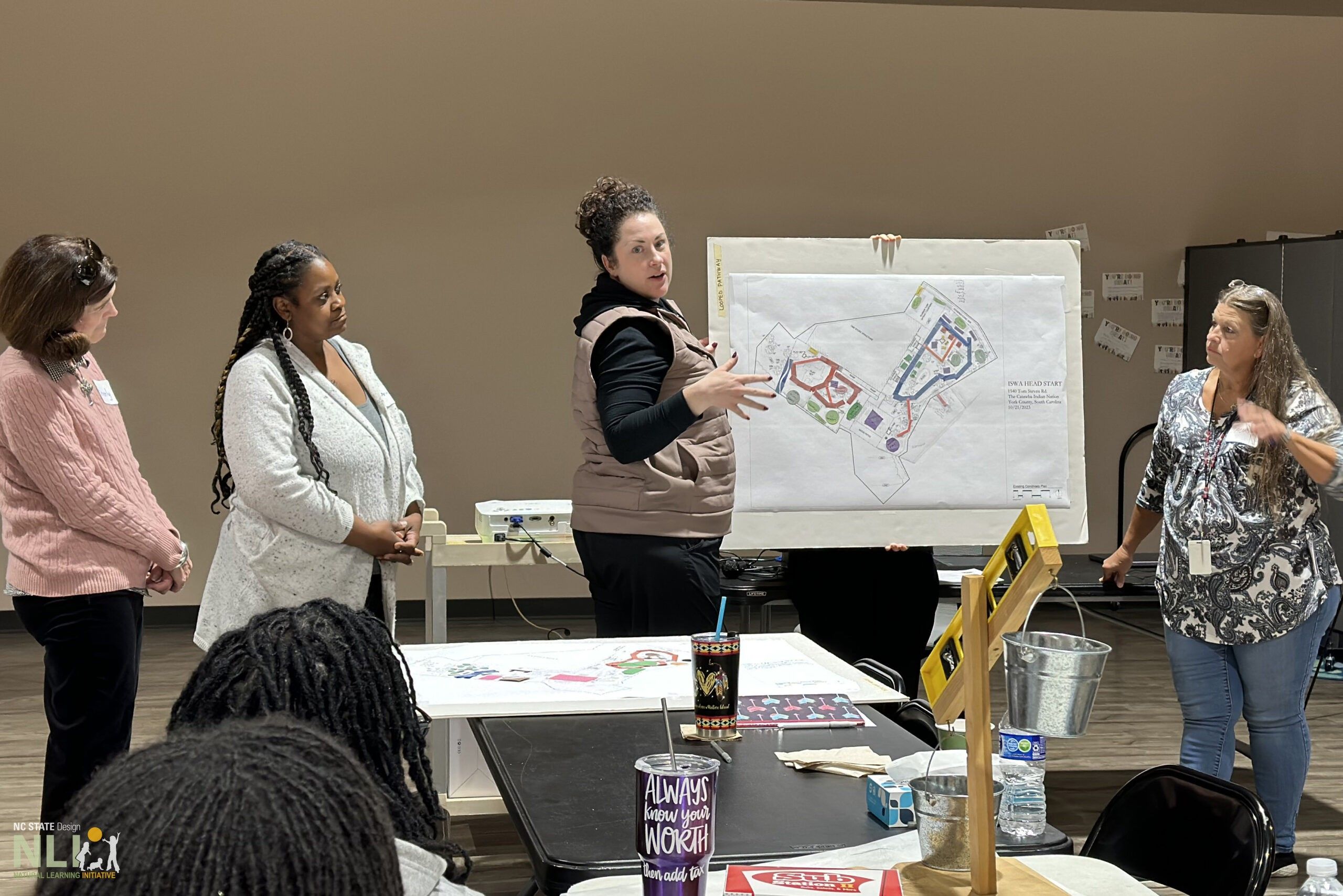
Design Teams present design thinking diagrams using construction paper to locate activity settings at the same scale as the site survey base plan.
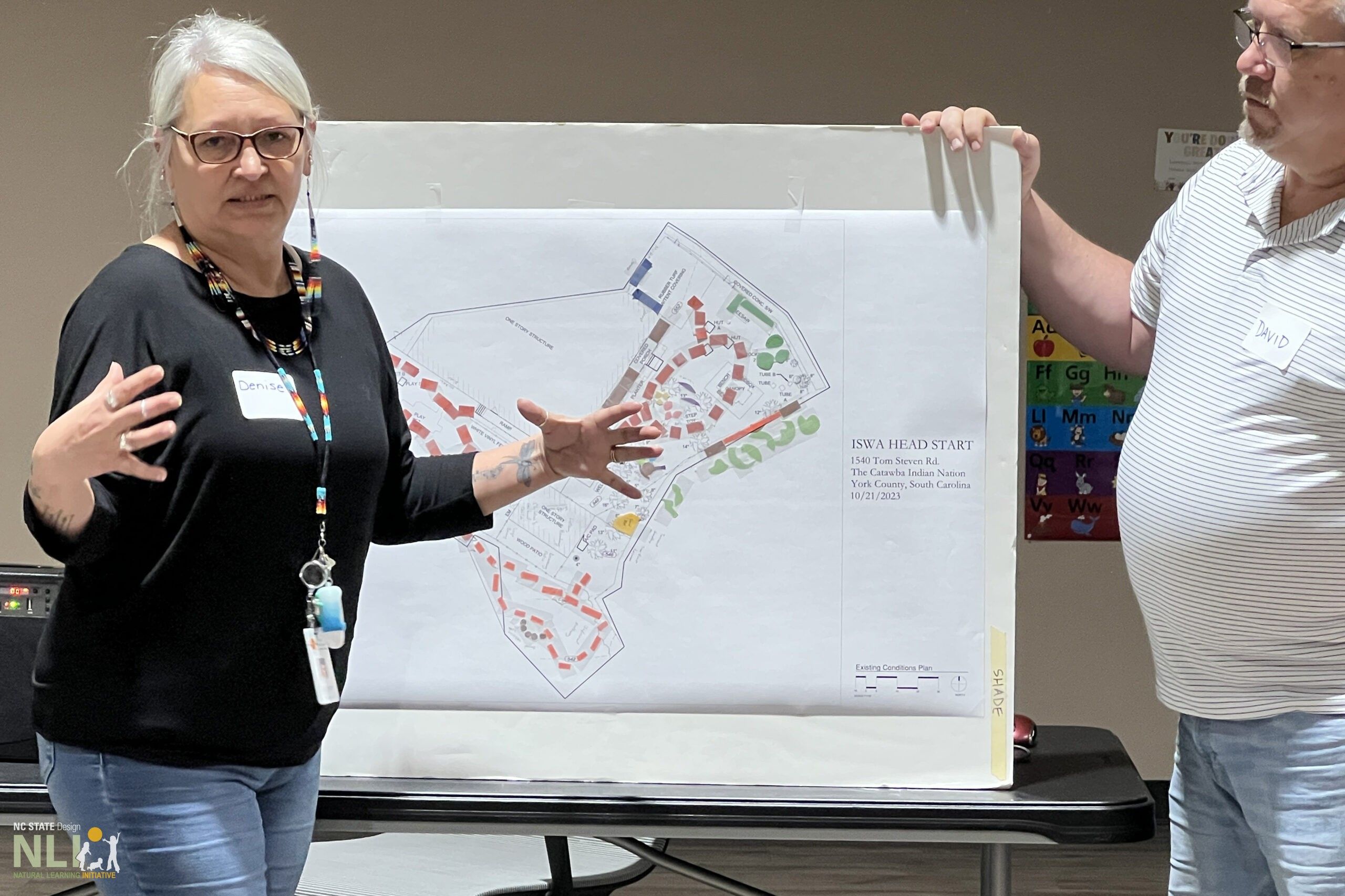
Design Teams present design thinking diagrams using construction paper to locate activity settings at the same scale as the site survey base plan.
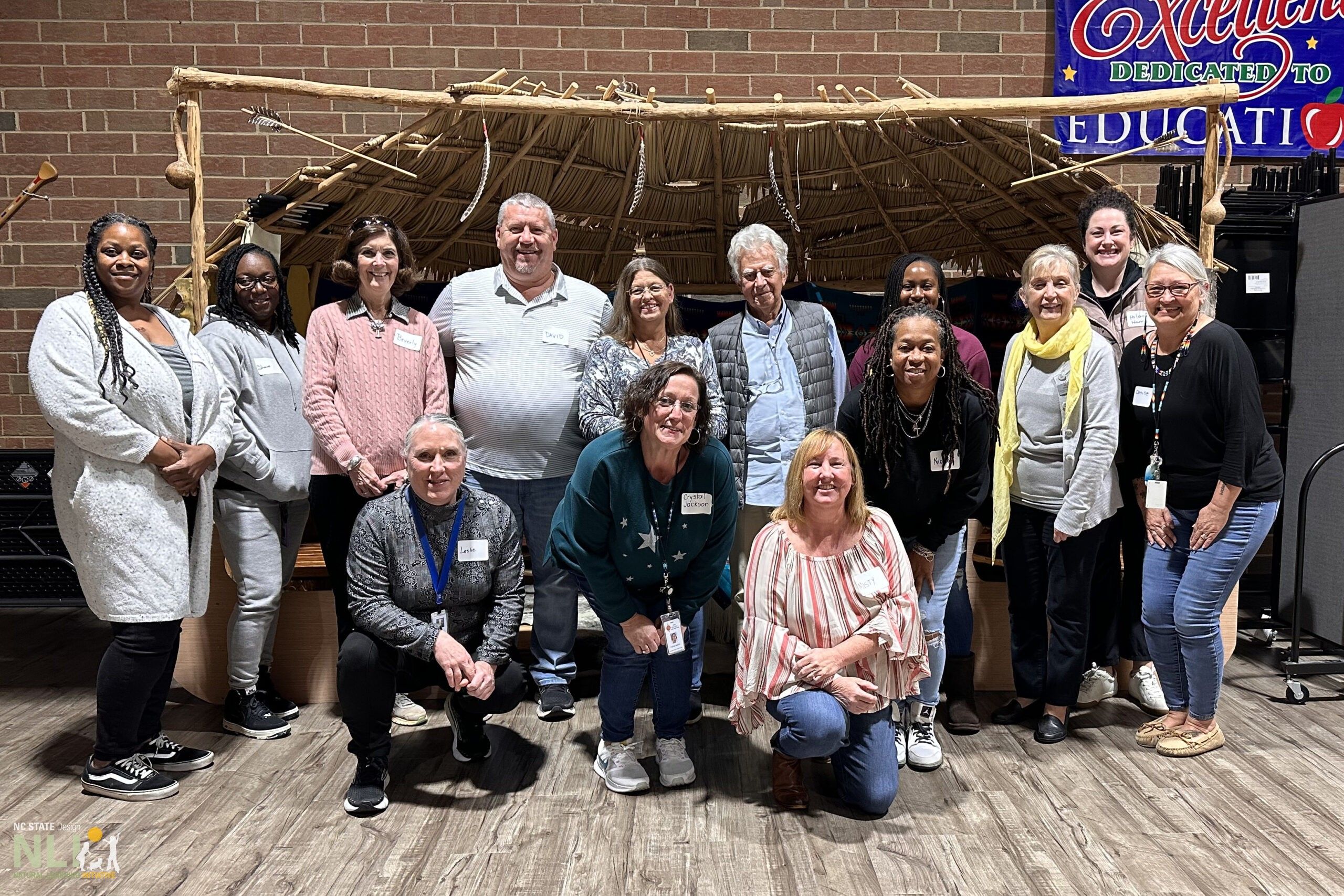
Design Workshop participants.