NLI Brings Outdoor Learning Expertise to Rhode Island Farm & Sea to School Institute
On June 26, 2026, the Natural Learning Initiative (NLI) at North Carolina State University joined the Rhode Island Department of Health for the Rhode Island Farm and Sea to School Institute in Narragansett, Rhode Island. The full-day institute brought together early childhood and school-age professionals to explore how outdoor learning environments, gardening, and nature connection can support children’s health, learning, and development.
NLI Research Professor and Director of Programs Nilda Cosco, PhD, UX/Communication Designer and Communication Team Lead Matt Babb, MGXD, and Research Professor Robin Moore, MCP, led presentations and interactive sessions throughout the day. The program also highlighted research conducted through the Childcare Outdoor Learning Environments as Active Food Systems (COLEAFS) project.
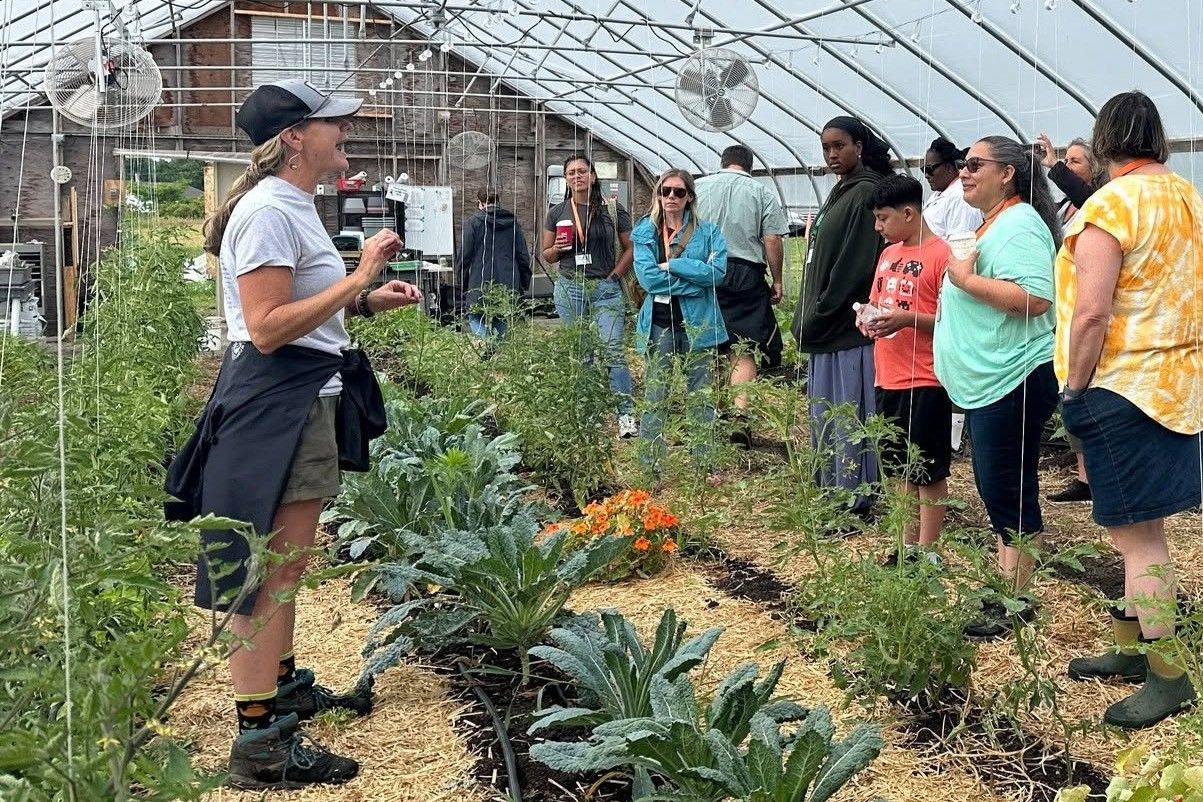
Photo Credit: Rhode Island Farm and Sea to School Network (Check out their social media for more photos)
Connecting Nature, Health, and Learning
Cosco’s morning session explored the importance of outdoor learning environments for children’s health and development, including the concept of One Health, the interconnected health of people, animals, and the environment. NLI also shared research demonstrating how outdoor environments can support physical activity, healthy eating, attention, and overall well-being.
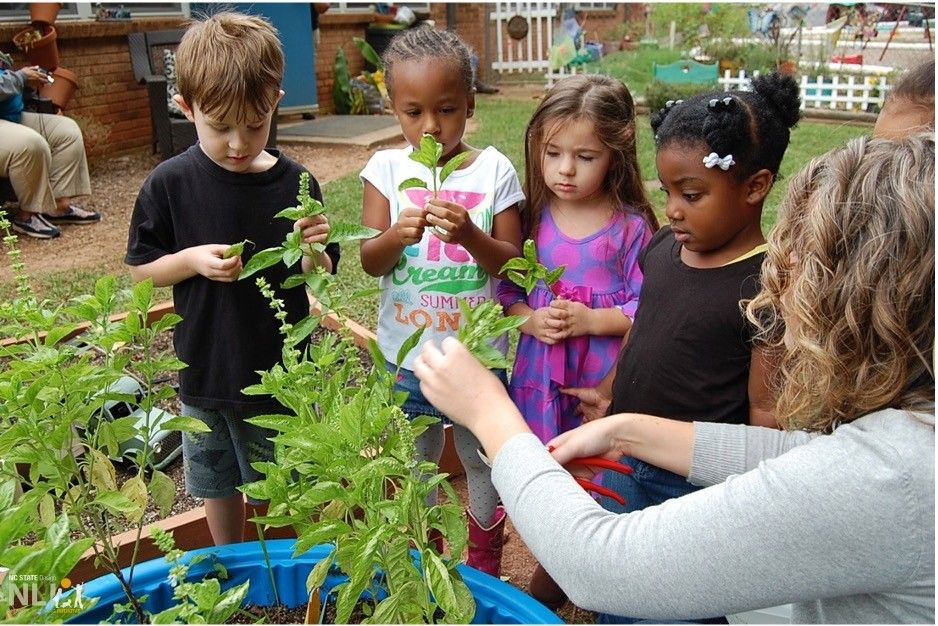
A central focus was the COLEAFS research project, which examined the effects of the Preventing Obesity by Design (POD) gardening component on young children’s physical activity and fruit and vegetable consumption. The intervention included garden installation, a Gardening Activity Guide and calendar, and weekly garden visits. Children in the intervention group achieved six additional minutes of moderate-to-vigorous physical activity per day, 14 fewer minutes of sedentary time, and increased fruit and vegetable consumption during snack time.
Participants then explored NLI’s Gardening Activity Guide. They took part in a Smart Budgeting exercise, considering how a $500 seed grant could be expanded through volunteer labor, in-kind donations, Extension support, and parent and teacher workdays.
Building Community Support
Babb’s presentation, “Communication and Community Engagement for Sustainable Early Childhood Programs,” focused on the people and relationships needed to sustain this work. The presentation emphasized family engagement, teacher leadership, community partnerships, and shared ownership as foundations for long-term success.
Participants explored how effective communication can help communities understand why outdoor learning matters, how children benefit, and how they can participate. Babb also emphasized the value of sharing children’s learning stories, photographs, testimonials, and examples of progress to build visibility and community support.
Natural Learning Curriculum
The afternoon session, led by Nilda and Robin, brought these ideas together through Natural Learning Curriculum Integration, including a special look at the Washington Environmental Yard with Robin. Participants explored nature connectedness, curriculum connections, interactive examples, and practical ways to incorporate outdoor learning into everyday early childhood experiences.
The day concluded with a “Planting a Wish” exercise, allowing participants to reflect on the day’s discussions and share their hopes for bringing outdoor learning, gardening, and nature connection into their own programs and communities.
The institute provided an opportunity for NLI to share decades of research and practice while connecting with Rhode Island educators and public health professionals working to create healthier, more engaging, and nature-rich experiences for young children.