Michigan Department of Natural Resources (MDNR) Parks and Recreation Division (PRD)
NATURAL PLAY AND LEARNING SPACES (NPALS) DEVELOPMENT PROGRAM
The Michigan Department of Natural Resources Parks and Recreation Division, through this project seeks to fulfill Objective 2.4.1 of the Strategic Plan requirement, with the implementation of a minimum of two natural play and learning spaces in the state park facilities. The DNR State Park system is partnering with the Natural Learning Initiative (NLI), North Carolina State University (NCSU), to develop a program of nature-based solutions that express the unique biological and human context of each site, as a departure from the present-day focus on commercially available, standardized playground structures.
NLI’s scope of work is focused on three principal deliverables:
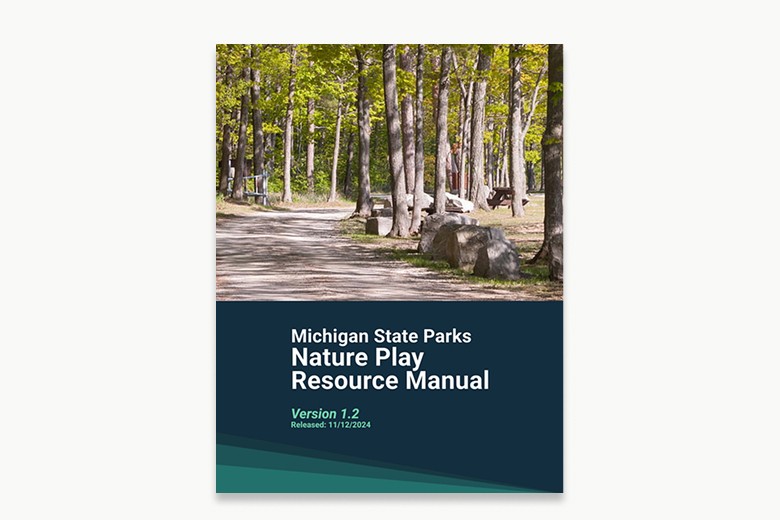
Developing a PRD resource manual for implementing natural play and learning spaces in Michigan state parks, addressing both short and long-term strategic design thinking, organized in four stages to include the following:
- Design Programming
- Universal Design Prototypes
- Procurement & Implementation
- Environmental & Risk Management
- Maintenance Standard Practices.
Providing a staff professional development series (learning sessions, one conducted on site) to aid in the implementation, management, and maintenance of natural play and learning spaces within the organization.
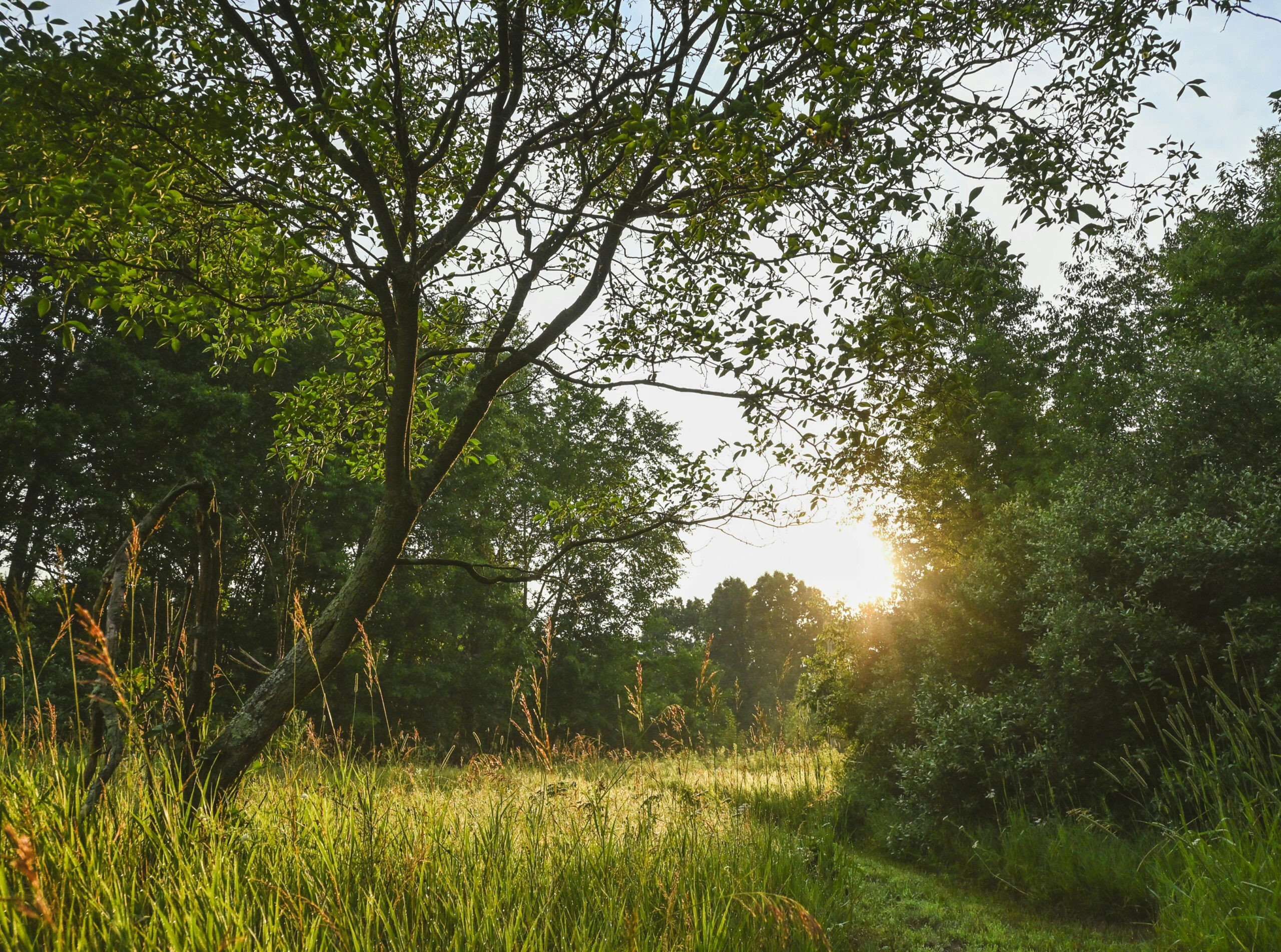
Creating a model design program and schematic design, with PRD staff participation, for a natural play and learning space to be installed at Hartwick Pines State Park as an objective of the separate professional service consultant (PSC) phase.
The above tasks are essential for implementing effective nature play and learning areas and more specifically including the following:
- Comprehensive health and other developmental benefits of nature play and learning areas – especially to users from disadvantaged communities;
- Equity, accessibility, and inclusion – ensuring that all users have fair availability to natural play and learning spaces;
- Design programming – an effective community engagement process for developing shared ideas for project content and implementation strategies;
- Management and maintenance – developing standard practices framed by standards of care to ensure the health, safety, welfare, and accessibility for guests as well as conservation, regeneration, and care for natural resources that young guests may access and interact with (part of #5 below).
- Environmental Sustainability – framed by the international Sustainable Development Goals (17 SDGs) – selection related directly to Michigan state park conditions.
- Construction materials sustainability – employing best practices for demolition and new construction, including locally sourced materials from lands managed by MDNR-PRD.
- Installation options – exploring and evaluating best practice requirements for longevity.
- Risk management processes, protocols, and policies – “balancing risks with benefits” defendable policy, understanding and adopting risk management procedures, including inspection routines.
- Assessment and evaluation – cost effective approaches in partnership with local universities.
The project outcome will ultimately be informed by results emerging from a shared, step-by-step process of creating the model design program, schematic design, and later installation of a nature play and learning area at the historic Hartwick Pines State Park, Grayling, MI. The design process will begin with site analysis, leading to the creation of conceptual alternative designs, and end with a schematic design. This step will conclude Scope Item #3 and serve the professional service consultant (PSC) installation phase.